How to Choose Custom Hats for Business: Styles and Decoration Options
Custom Hats for Business: Styles and Decoration Options
How to Choose Custom Hats for Business: Styles and Decoration Options
Branded hats turn employees, customers, and event attendees into everyday touchpoints for your brand. But the right hat for a field team is not the right hat for a retail launch. Style, fit, material, and decoration all change how a hat looks, feels, and holds up.
This guide walks through each choice so you can match custom hats for business to how they will actually be used, and avoid ordering hats that look wrong or never get worn.
Start With How the Hats Will Be Used
Intended use should drive every other decision. Work backward from it:
Employee uniforms: prioritize durability, a consistent fit across the team, and a clean, lasting logo.
Trade shows and events: choose a design that is recognizable from a distance and fits with your other event materials.
Customer giveaways: favor comfort and adjustable closures, so one size works for most people.
Retail merchandise: choose a distinctive style, material, and decoration that customers will buy.
Choose a Hat Style
Each silhouette combines panel count, structure, crown height, bill shape, and closure. These are common starting points and their typical construction:
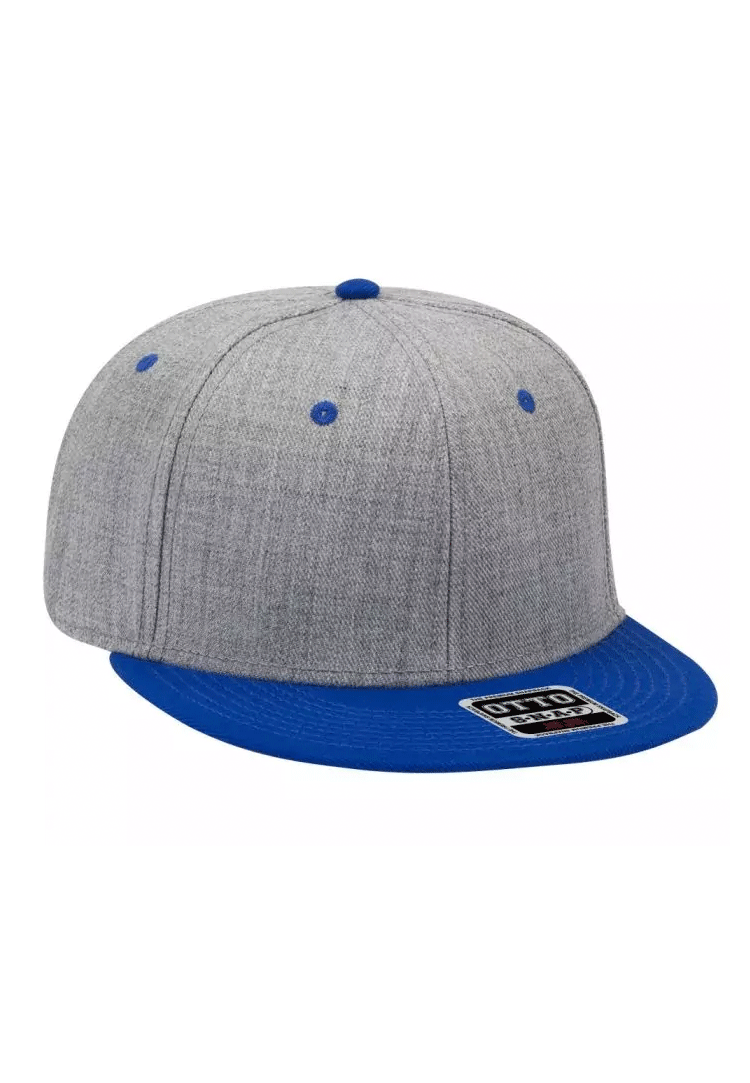
Baseball Cap
6-panel, poly/cotton twill, structured, mid crown, curved bill, fitted
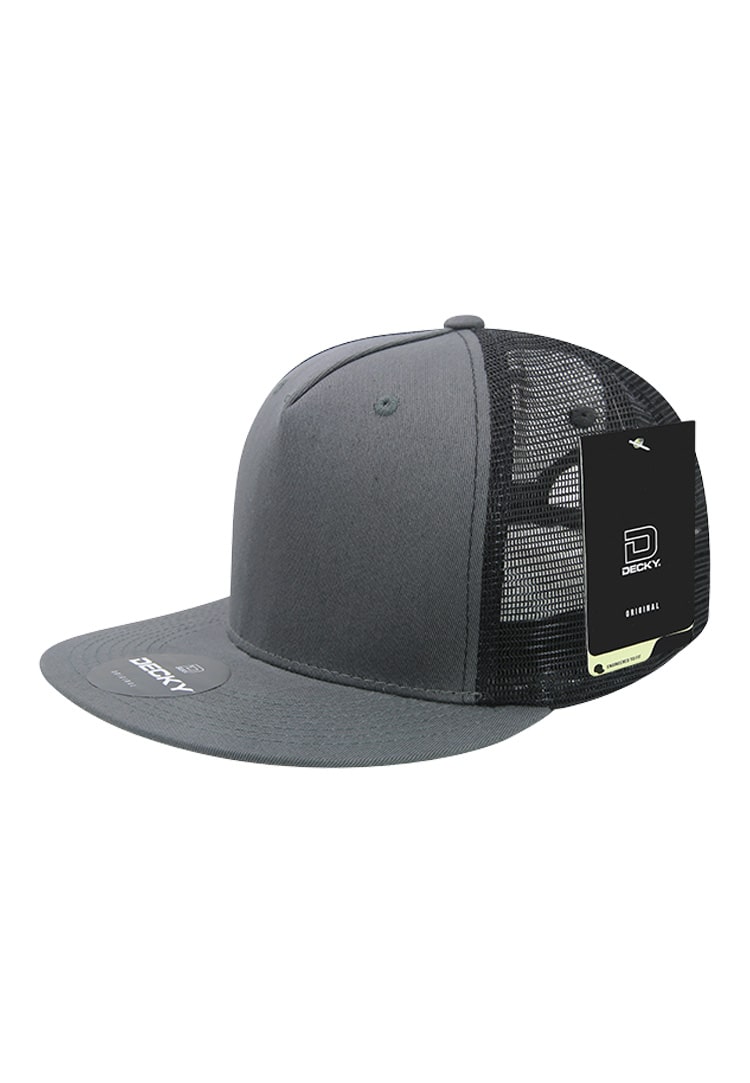
Flat Bill
5-panel, poly/cotton twill, structured, high crown, snapback
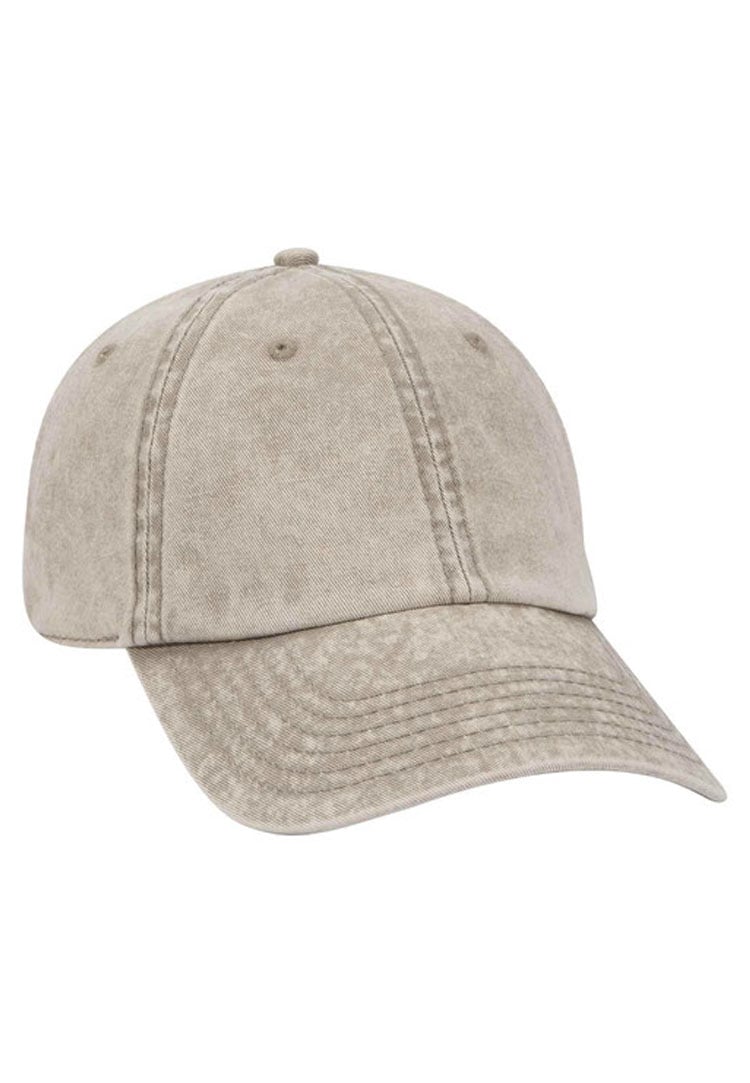
Dad Hat
6-panel, cotton twill, unstructured, low crown, fabric buckle closure
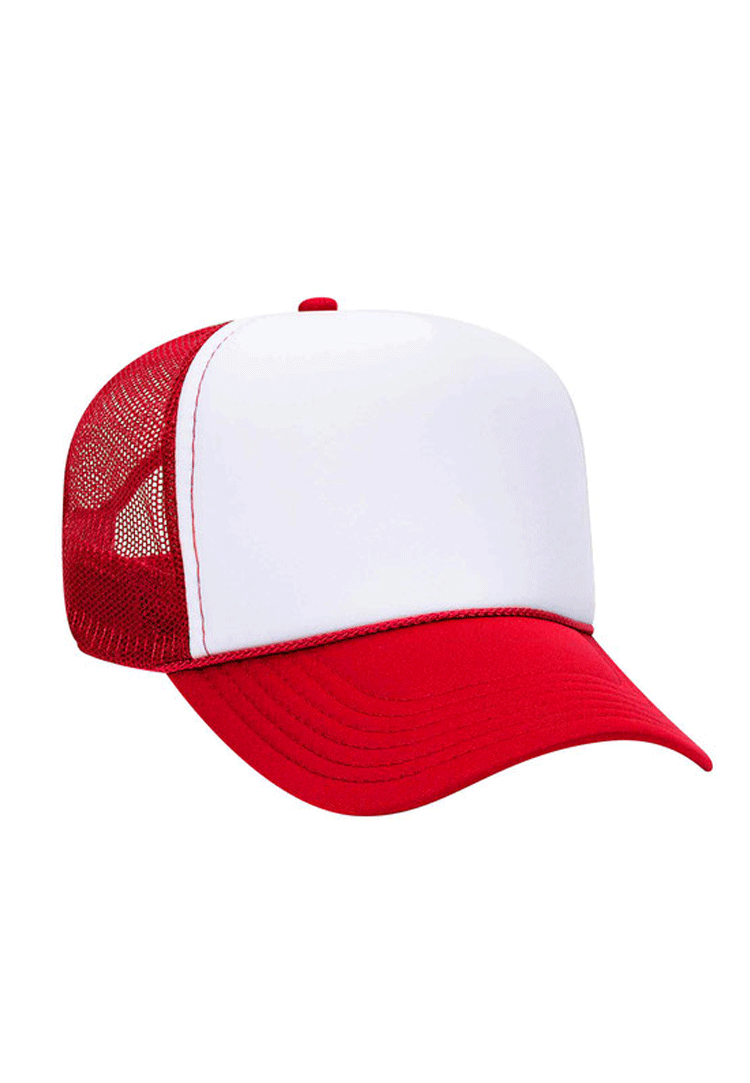
Foam Trucker
5-panel, polyester foam, structured, high crown, snapback

Surf Hat
Mid-profile, unstructured snapback
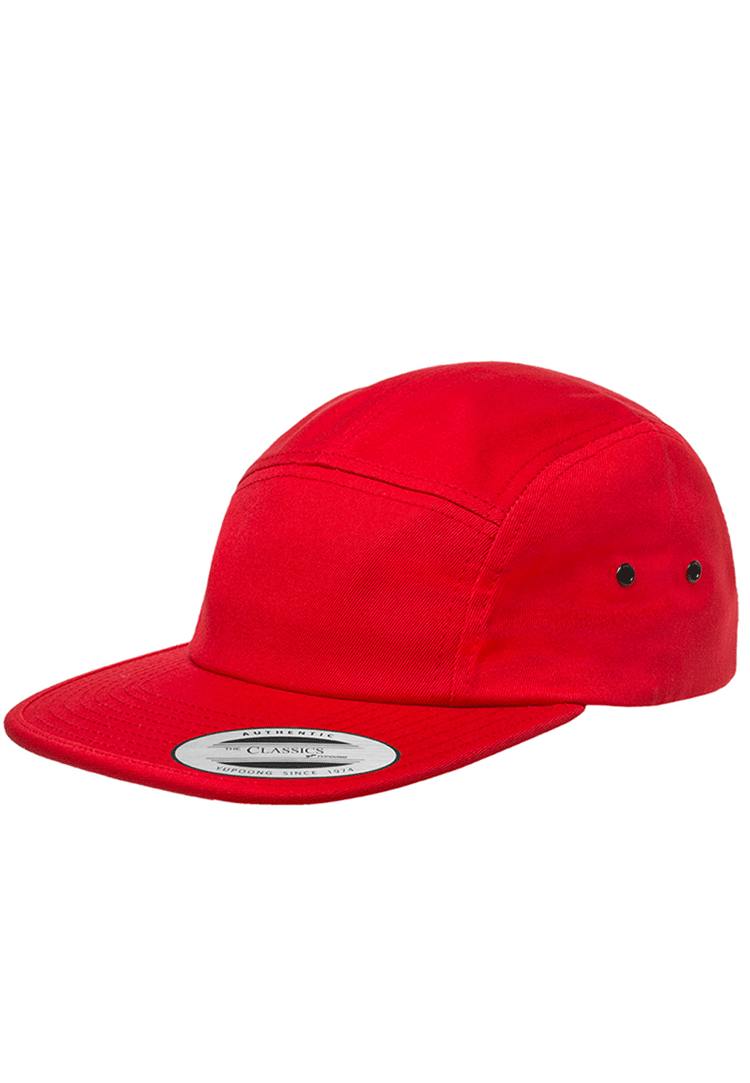
Camper
5-panel, 100% polyester, unstructured, mid crown, flat bill, nylon closure
Panel count matters because each style offers different options for hat design and material choices. If you already have a hat you like, a manufacturer can often match it.
Material, Structure, and Fit
Material. Common choices are cotton twill, poly/cotton twill, wool, 100% polyester, and foam. Cotton twill feels classic and casual. Poly/cotton blends and polyester suit hard daily use. Foam fronts are a common trucker-style choice.
Structure. Structured hats have a rigid backing behind the front panels that holds the shape, which makes them a strong choice for logo visibility and durability. Unstructured hats have no rigid backing, so the fit is more relaxed and flexible.
Crown height. Low-profile crowns (about 2–3") sit lower with a relaxed fit. Mid-profile (3–4") is the middle ground. High-profile crowns (over 4") are taller and usually more structured.
Closure. Snapback, fitted, Flexfit, Velcro, buckle, and nylon closures all change how adjustable the hat is. Giveaways usually work best with an adjustable closure, while a fitted style suits a uniform program where sizes are known.
Compare Decoration Methods
The decoration method changes the look, feel, and durability of the finished hat. The right choice depends on the artwork, the hat material, and the intended use.
Embroidery (flat)
Best For: Logos, short text, and simple marks, especially on structured caps and uniforms
Tradeoff: Fine detail and small text may need simplifying
3D puff embroidery
Best For: Bold logos that should stand out with a raised look
Tradeoff: Works best with thick, simple shapes
Screen printing
Best For: Graphic or multi-color artwork that is hard to stitch
Tradeoff: Printed artwork has less texture than thread; confirm availability by hat style
Patches
Best For: Heritage, outdoor, and craft brands wanting a textured, badge-style look
Tradeoff: Adds a component to the hat; combined decorations can raise order minimums
Other Options
Best For: Heat transfer, raised silicone, all-over print, and underbill print for specialty looks
Tradeoff: Availability depends on the hat, so confirm before designing
Flat embroidery is the most common choice. Pricing for any method is typically quote-based and depends on the design and quantity.
Keep Your Hat Design Simple
A hat has limited space, so a logo that works on a website may need adjusting. Effective hat designs focus on one clear element instead of an entire marketing message.
Keep the primary logo easy to recognize.
Use strong contrast between the artwork and the hat.
Limit text and avoid crowding the front panel.
Check small details at actual production size.
Use secondary areas, such as the underbill, for supporting branding.
A simplified version of your logo often produces a better result than the full brand artwork. If you do not have embroidery-ready files, ask whether the manufacturer's art team can prepare them.
What to Know Before Ordering
Order minimums: at Threadbird, standard custom hat orders start at 50 pieces. Hats with several decorations or advanced features, such as full panels, custom linings, or complex embroidery, start at 100+ pieces.
Sampling: review a sample before approving a larger run so you can check quality, construction, and decoration.
Artwork: use high-resolution files and expect some adjustments for embroidery or patches.
Colors: choose hat and thread colors with enough contrast for the logo to stay clear.
Consistency: keep the same logo treatment and core colors across styles and colorways.
Ask for turnaround time and a quote early, since both depend on the style, decoration, and quantity.
Choose Custom Hats That Fit Your Brand
No single style or decoration method works for every business. A uniform may need a durable, structured, embroidered cap, while a retail brand may benefit from a distinctive shape or patch. Start with the purpose, then work through style, material, fit, decoration, and quantity.
If you are comparing options, you can review Threadbird's custom hat options, which include six standard styles or a fully custom build, with embroidery, patches, and printed decoration available.